Published . 4 minute read.
Clearing a parent’s house is slow, emotional work, and the order you do it in matters more than the speed. This checklist runs from the first conversation with the executor to the last load out the door. It’s general advice, not legal or tax advice. For questions about the will, the estate’s debts or what can be sold, ask the executor or the estate attorney.
What comes first in an estate cleanout?
Talk to the executor. The executor, or the estate attorney, decides what can be given away, sold or thrown out, and when.
Before anyone carries out a single box, agree on three things: who has the final say, how the family will make decisions, and whether anything has to stay in the house until the estate is settled. Write it down and share it with everyone involved.
Where do important papers hide?
Anywhere. Secure documents and valuables before anyone starts sorting, because they turn up in places nobody would think to look.
Check:
- The freezer, cookie tins and coffee cans
- Coat pockets, purses and the toes of shoes
- Inside books, Bibles and photo albums
- Under drawer liners, taped behind drawers and under mattresses
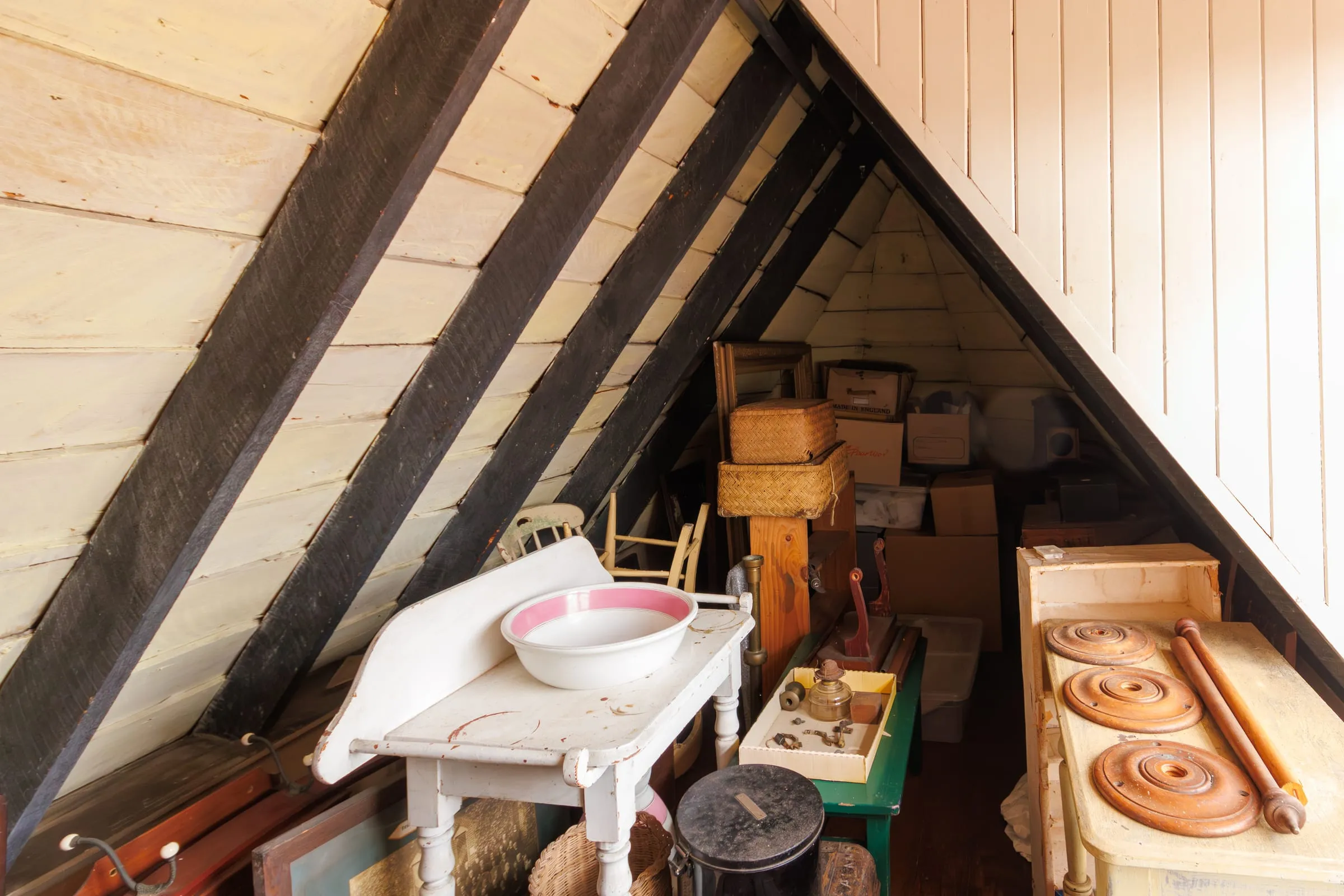
- Shoeboxes on closet shelves and boxes in the attic
- Tool chests and workbench drawers in the garage
You’re looking for the will, deeds, vehicle titles, insurance policies, bank and investment statements, tax returns, safe deposit keys, jewelry and cash. Put everything in one box for the executor, and don’t shred anything until the executor says so.
How should the family divide things?
Before anything is sold or donated. Let family members choose first, by taking turns, so no one feels rushed or skipped.
Colored stickers work well: one color per person, on anything they want. Family who can’t be there can choose from photos. When two people want the same thing, the executor settles it.
Why photograph every room first?
Photos give the executor a record of what was in the house, let distant family choose, and make pricing a sale or a haul much easier.
Take a wide shot from each doorway, then open every closet, cabinet and drawer and shoot those too. Get close-ups of anything with a maker’s mark, signature or serial number.
Should you sell, consign or donate?
Sell or consign anything with real resale value first, then donate what’s usable, recycle what you can, and haul the rest. Ask the executor how sale money should be handled.
An estate sale, a consignment shop, an antiques dealer or online listings can each move the better pieces. Whatever doesn’t sell moves on to the next steps.
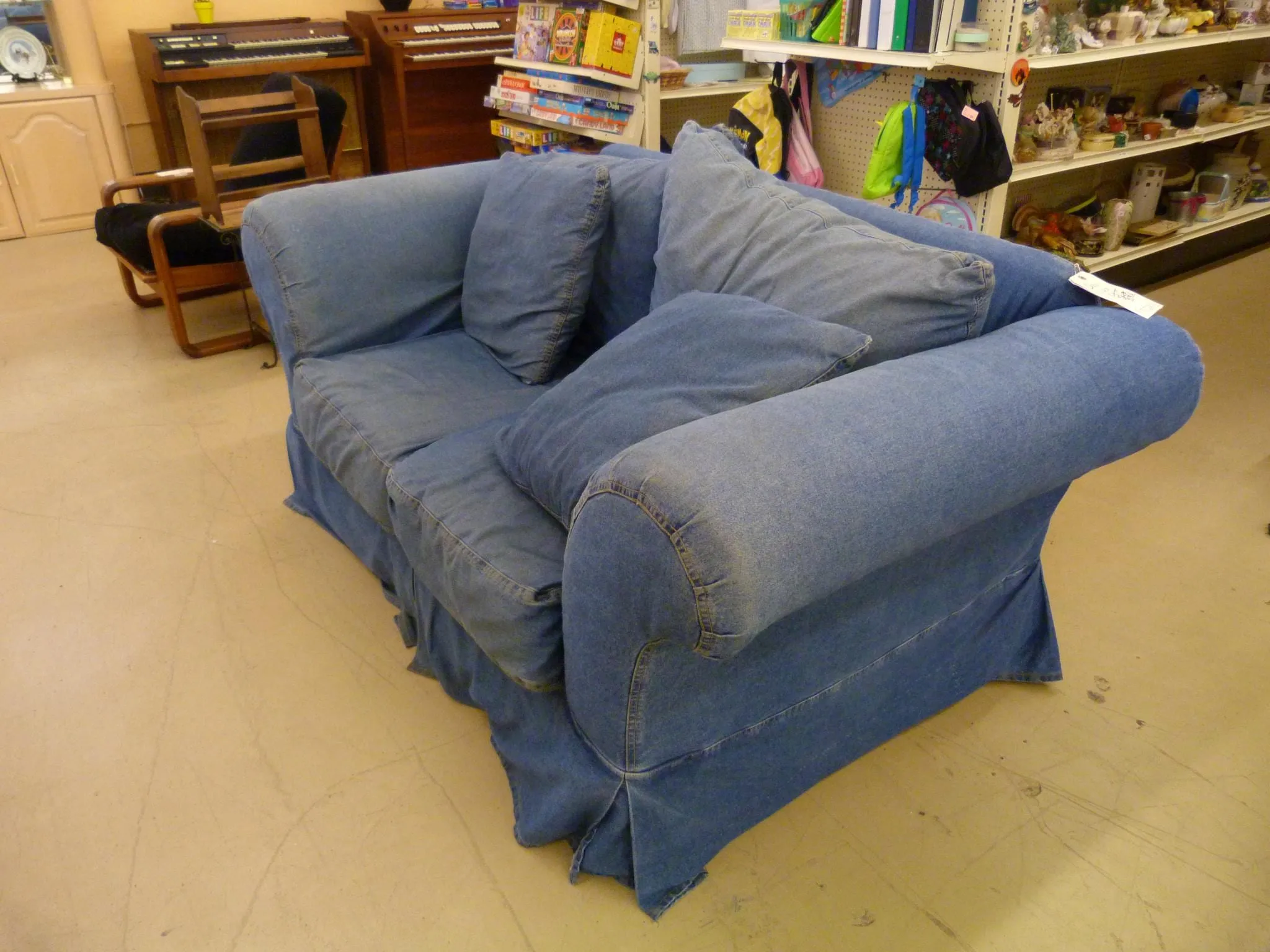
Where can furniture be donated locally?
The Oconee Habitat ReStore at 130 Bountyland Rd in Seneca picks up in Oconee County, Clemson, Central, Sunset and Six Mile. Call (864) 888-2118. It refuses mattresses and box springs, non-working appliances, water heaters, CRT TVs, desktop computers and printers, clothing and opened paint.
The Anderson Habitat ReStore and Goodwill stores in Seneca, Clemson, Pendleton and Anderson are other options. Our furniture donation guide has addresses, hours and what makes a piece worth donating.
What can be recycled?
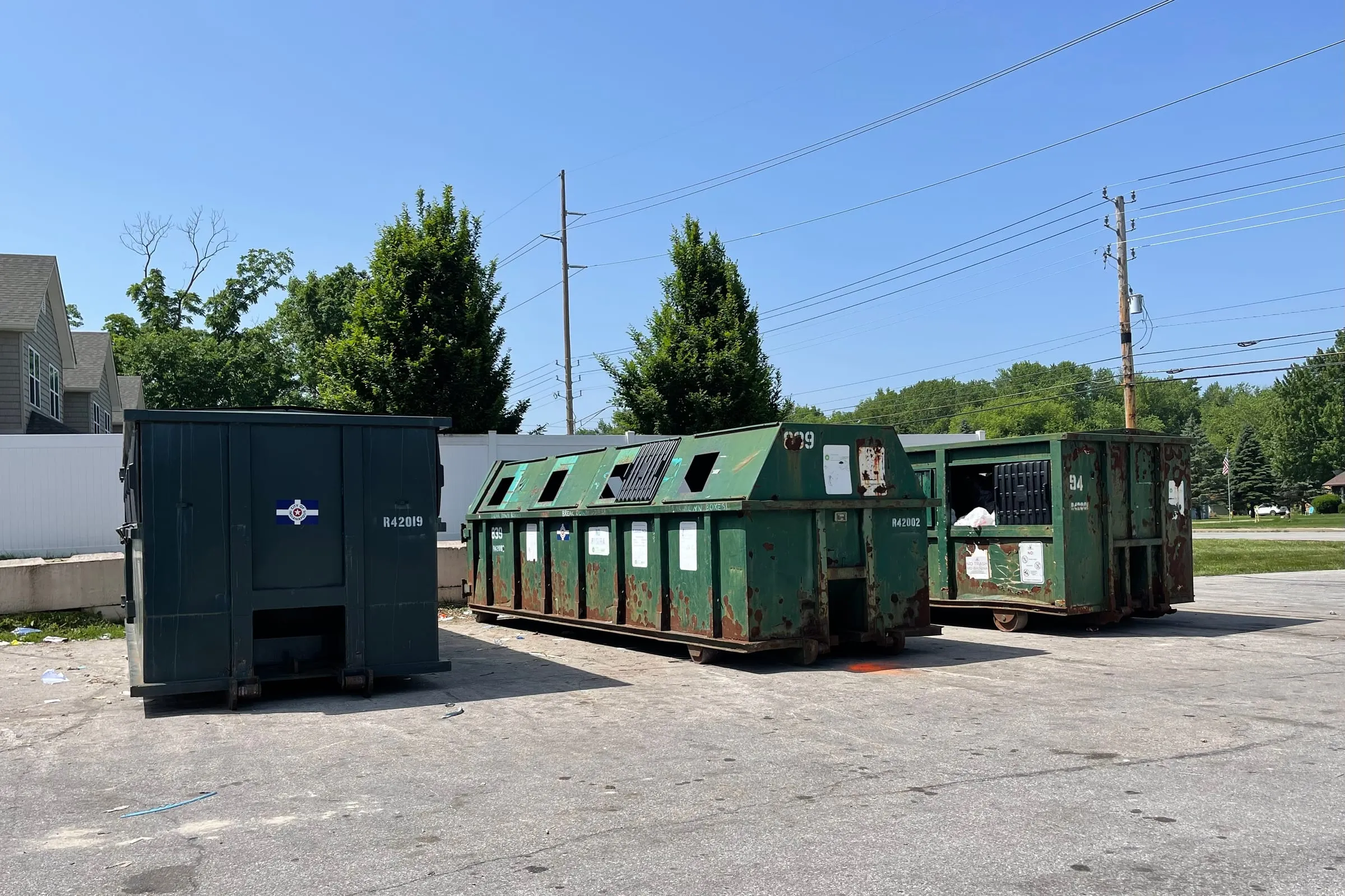
A lot of what’s left. Oconee County’s staffed recycling centers take scrap metal, large appliances, used motor oil and filters, antifreeze, lead-acid batteries, up to four passenger tires per person per year, and flat-screen TVs and monitors. Mattresses go only to the Strawberry Farm center in Seneca.
The centers are for Oconee County residents, so an heir who lives elsewhere may need a local relative or a hauler to make those trips. Old tube TVs aren’t accepted at any center. Our Oconee County dump guide lists every center and its hours.
What about paint and chemicals?
Set them aside. Paint, pesticides, pool chemicals, gas cans and propane tanks don’t belong in household trash, and Seneca Junk Removal doesn’t haul hazardous waste either.
- Pickens County recycling centers take paint in a special area, for county residents.
- Oconee County has held periodic household hazardous waste collection days at Seneca High School for residents. At least one event didn’t take paint, so call the solid waste office at (864) 888-1440 to ask about the next date and what it will accept.
Keep these in a cool, dry spot, in their original containers, until you have a place for them.
How many loads is a whole house?
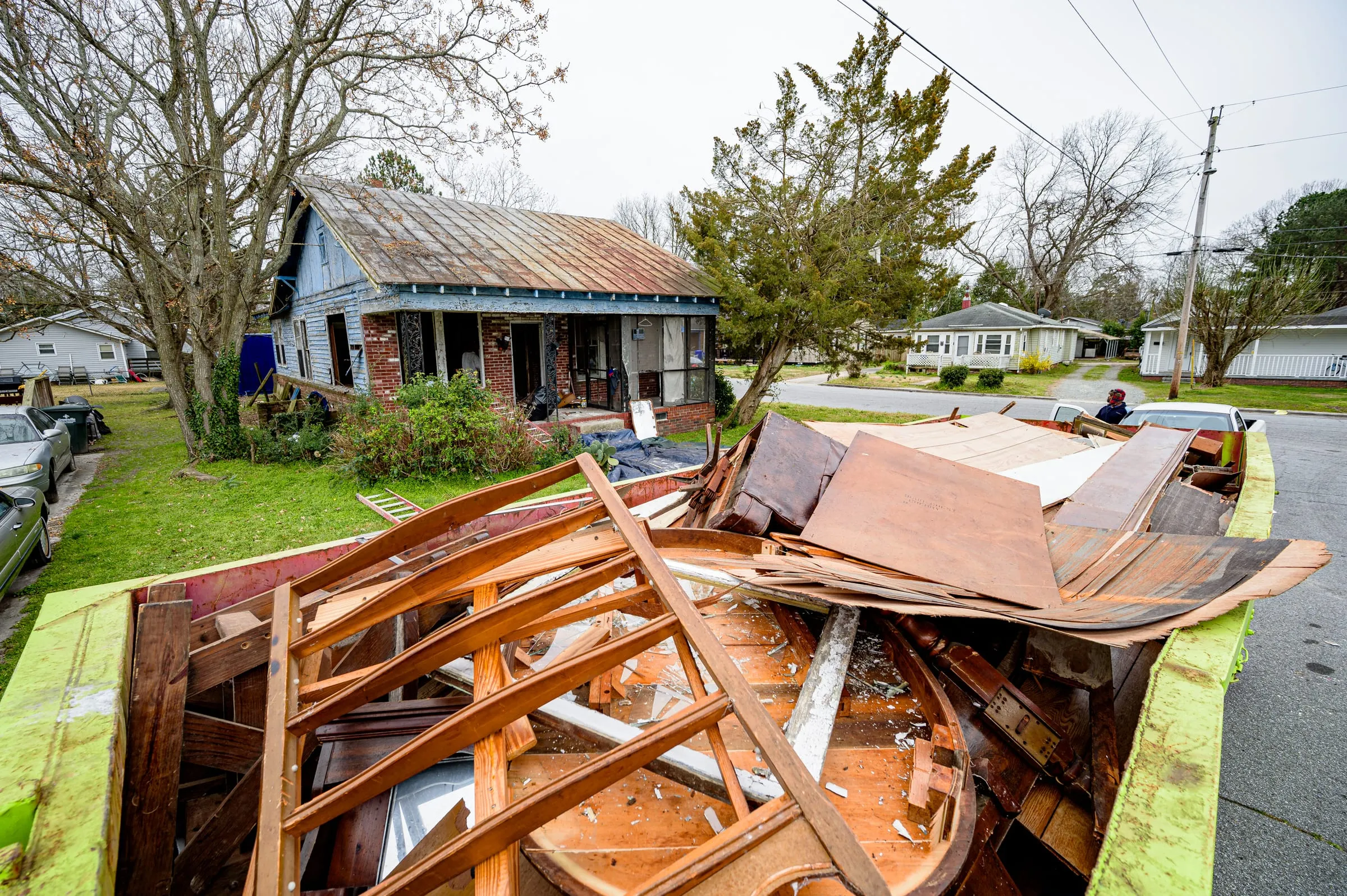
A furnished three-bedroom house often runs several full trailers, and a packed garage, attic or basement can add another.
With Seneca Junk Removal, a full trailer of about 15 cubic yards runs $450–$550. Smaller loads are priced by the space they take, so a half trailer costs less. A few things carry small added fees: $15–$25 per mattress, $25–$40 per refrigerator or freezer, and $25–$50 for each flight of stairs. Heavy material like old bricks or concrete blocks is loaded only about a foot deep. See the price list and our estate cleanout service for how the job goes.
Can you do this from out of town?
Yes, with a local key holder and good photos.
- Ask a relative, neighbor or friend nearby to hold a key.
- Get photos or a video walkthrough of every room, closet and outbuilding.
- Move every keep item into one room and put a sign on the door.
- Text the photos to a hauler for a price. We price from a photo or a quick look before loading.
- Ask for photos when the house is clear. We sweep up where the junk was, and furniture in good shape gets set aside for donation.
For a ballpark before you call anyone, try the junk removal estimator.